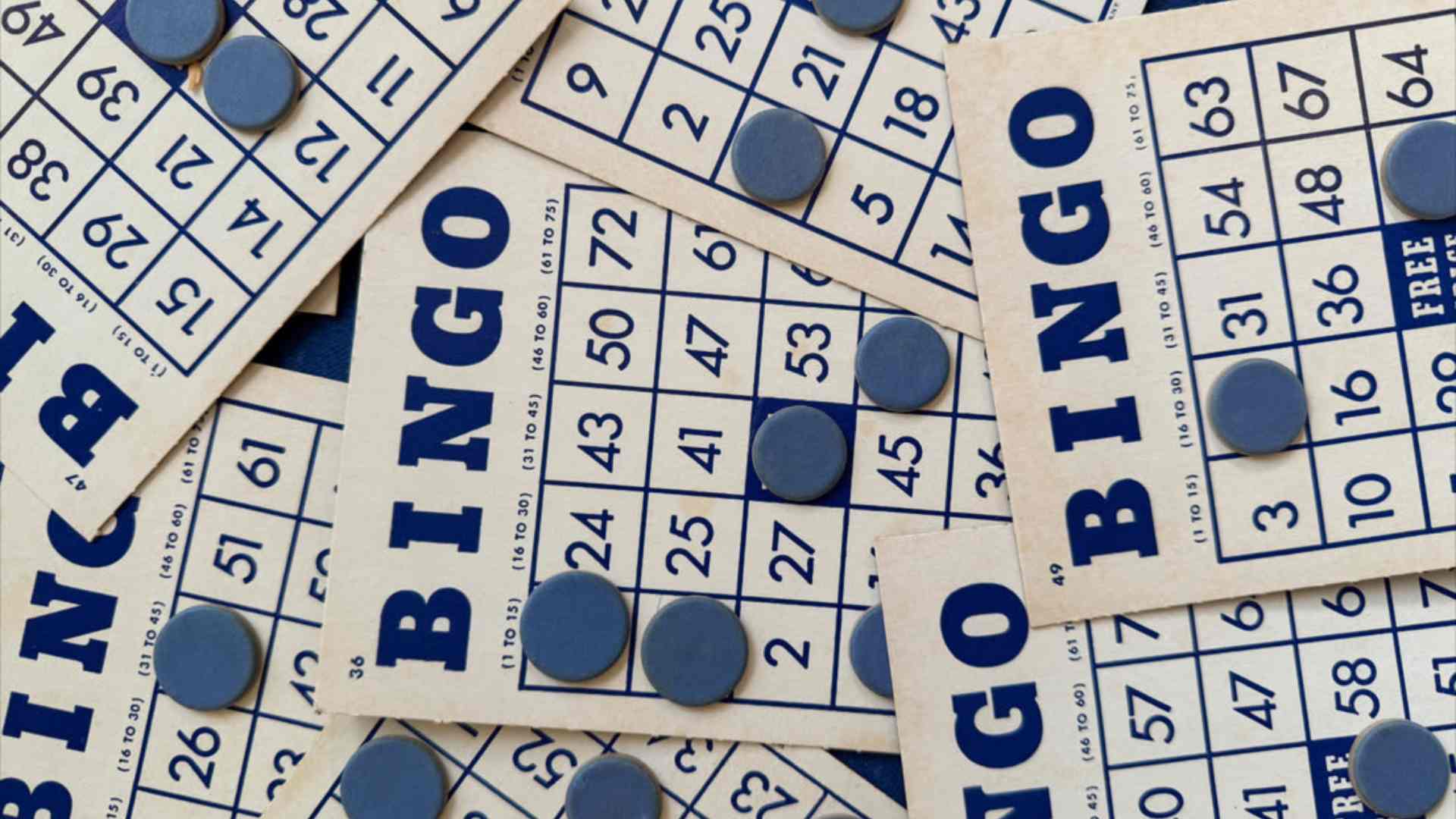
Mastering card positioning is a foundational skill that separates casual players from tactical experts in almost any card game layout. Whether you are arranging a tableau in solitaire or managing a complex hand in competitive tournaments, where you place each card dictates your future options. Developing a systematic approach to your board state can drastically reduce errors and unlock hidden paths to victory.
The Core Principles of Spatial Awareness
Every card game features a specific grid or playing field that limits how information is shared and utilized. Recognizing how columns, rows, and discard piles interact allows you to anticipate structural bottlenecks before they occur. By treating the gaming surface as a dynamic map, you can place high-value assets where they remain flexible and secure.
Advanced players always prioritize keeping their options open by avoiding early commitments to restrictive columns. Spreading your resources evenly prevents single areas from becoming locked down by unplayable sequences. This careful management of available space ensures that you can adapt fluidly whenever the deck delivers unexpected shifts.
Maximizing Technical Advantages in Layouts
Effective spatial management directly influences how effectively you can sequence your subsequent moves without exhausting your deck. For instance, creating open slots quickly gives you the freedom to manipulate entire sequences of cards effortlessly. Experienced individuals know that a single empty space is often the most powerful tool on the entire digital or physical table.
Understanding spatial dynamics is also highly valuable when participating in broader digital communities or competitive platforms. Enthusiasts often explore specialized networks like M88 esports to study tactical trends and observe how top-tier competitors organize their gaming elements. Analyzing these high-level layouts provides practical insights that can immediately elevate your personal card management habits.
Balancing Visibility and Tactical Risk
Another critical element of professional card placement involves managing hidden information and downcard piles effectively. You should generally prioritize moves that reveal unknown elements rather than shuffling visible pieces back and forth aimlessly. Uncovering new elements introduces fresh possibilities and changes the entire mathematical landscape of the current session.
However, exposing hidden components too quickly without a solid backup plan can occasionally leave your board vulnerable. It is vital to evaluate whether your current setup can handle new obligations before shifting major piles around. Balancing this natural curiosity with structural caution is the true hallmark of an elite card strategist.
Long Term Habits for Consistent Success
Improving your positional gameplay requires deliberate practice and a willingness to analyze your previous structural errors objectively. Taking a moment after a difficult session to review where your sequences fell apart can reveal deep habit patterns. Over time, you will begin to recognize recurring spatial traps and avoid them instinctively.
Consistency is ultimately built on patience and maintaining a structured approach even during unfavorable draws. Shifting your focus from simple card sorting to long-term spatial control turns every match into a rewarding logic puzzle. With continuous refinement, your deliberate placement choices will naturally pave the way for regular victory.