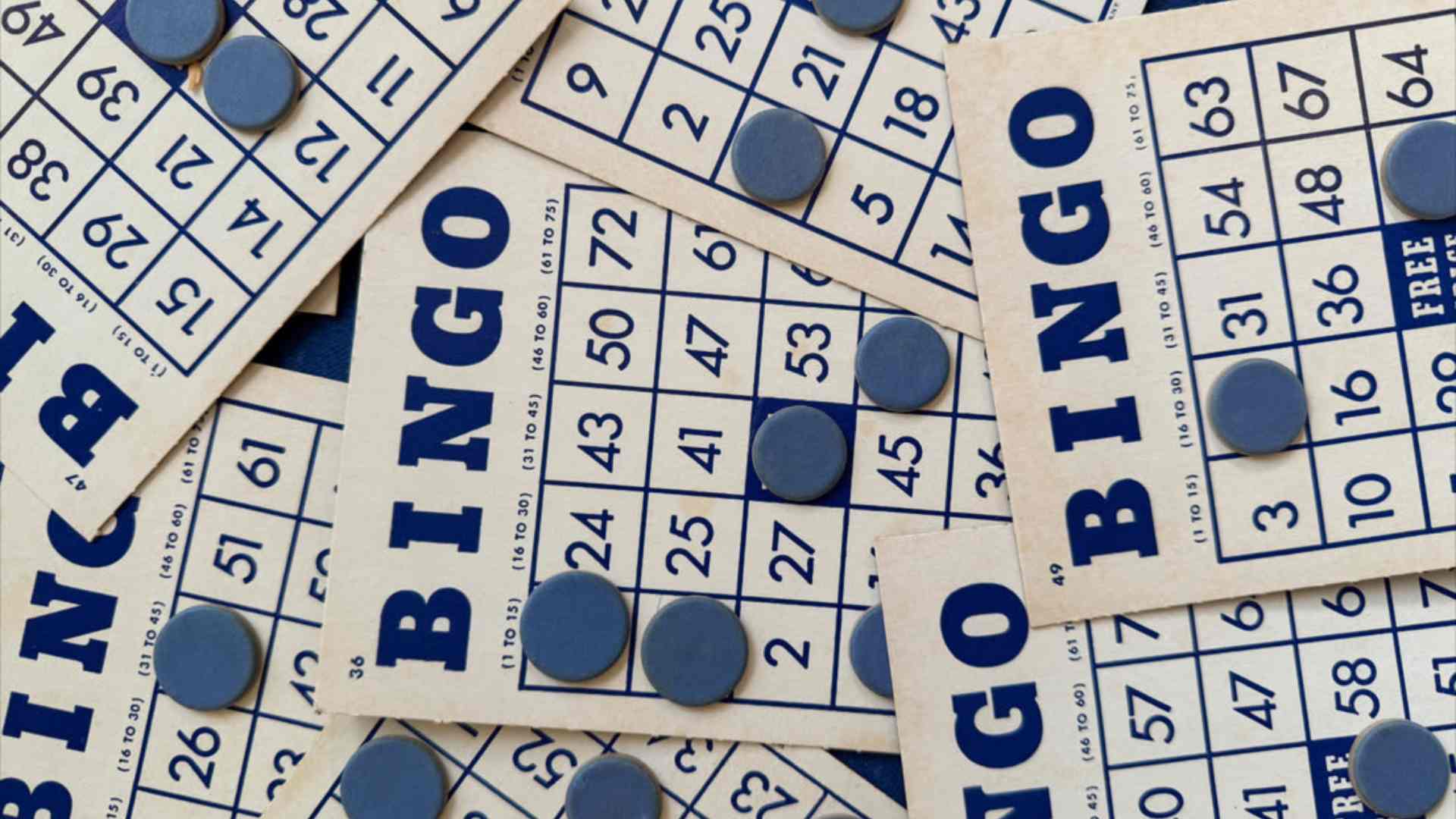
Shirley Jackson's classic short story remains one of the most compelling studies of human behavior and blind tradition in American literature. Published in 1948, the narrative relies heavily on literary devices to deliver its unforgettable twist ending. Analyzing the various layers of irony throughout the narrative reveals how masterfully Jackson manipulates reader expectations to critique societal conformity.
Situational Irony in the Story Title and Setting
The primary source of tension in the narrative stems from situational irony, beginning with the title itself. Readers naturally associate a traditional lottery with winning a prize, financial prosperity, or celebratory fortune. Instead, Jackson subverts this common assumption by turning the drawing into a fatal ritual where the selected individual is stoned to death by their neighbors.
This contrast is further heightened by the picturesque summer environment Jackson describes in the opening paragraphs. The clear sky, blooming flowers, and lush green grass suggest a peaceful community gathering rather than a violent execution. By placing a horrifying ancient tradition within an idyllic small-town setting, the author emphasizes how easily cruelty can hide behind everyday normalcy.
Dramatic Irony and Character Reactions
Dramatic irony occurs when the audience senses underlying danger while the characters act casually. Throughout the morning, the villagers chat about farming, local gossip, and the weather as if attending a routine town meeting. Children gather stones playfully, making the preparation appear like simple outdoor games rather than preparations for violence.
Tessie Hutchinson arrives late, laughing and joking with her friends about forgetting what day it was. Her lighthearted demeanor creates a chilling atmosphere for readers who re-read the story knowing her eventual fate. In digital entertainment, platforms like wd boss slot login offer modern games of chance, but Jackson's fictional drawing carries a dark outcome that contrasts sharply with lighthearted recreation.
Verbal Irony and Symbolic Misdirection
Verbal irony is subtly woven into the dialogue and names present in the town. Mr. Summers, who conducts the annual drawing, bears a name associated with warmth, light, and life. However, his official duty involves overseeing a grim annual sacrifice that ends a community member's life.
Similarly, Old Man Warner defends the tradition by claiming that giving up the lottery would lead to primitive living and chaos. The irony lies in his belief that a barbaric ritual represents civilized behavior and order. His insistence on preserving the custom demonstrates how communities often rationalize harm under the guise of maintaining historical legacy.
The Broader Impact of Literary Irony
Jackson's strategic use of irony serves a clear thematic purpose beyond simple shock value. By contrasting cheerful appearances with underlying brutality, she forces readers to examine their own uncritical acceptance of outdated customs. The story demonstrates that terrifying acts can be carried out by ordinary people who never question why a tradition exists.
Ultimately, the ironic elements in the narrative ensure its lasting place in modern literary analysis. The sharp contrast between expectation and reality encourages ongoing discussions about societal pressure, morality, and blind obedience. Jackson's masterpiece remains a powerful warning about the dangers of following tradition without reflection.