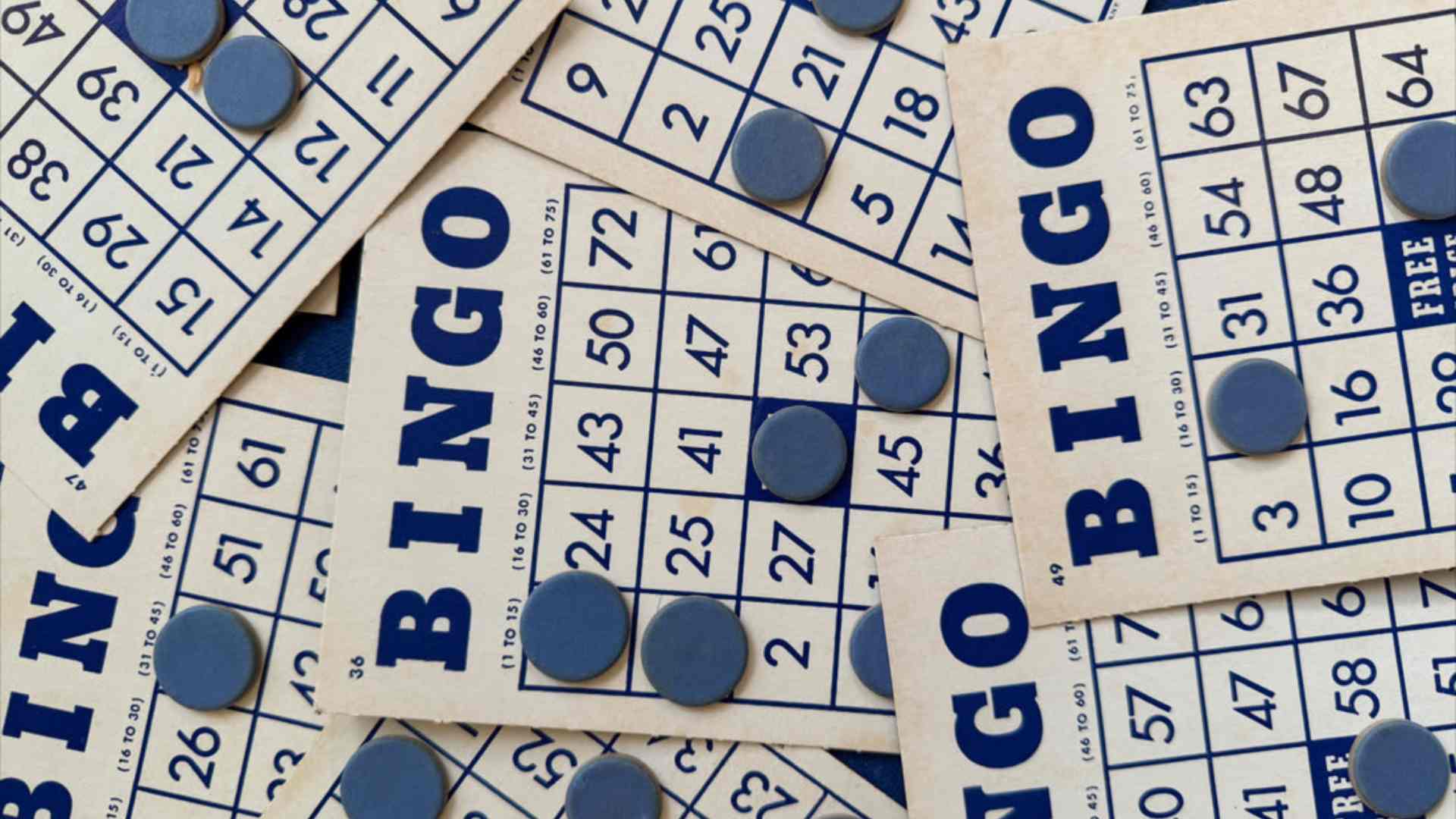
Modern tabletop gaming has evolved from simple linear mechanics into a vast landscape that actively rewards creative problem-solving and risk-taking. Board games that encourage strategic experimentation allow players to test diverse hypotheses, pivot their tactics mid-game, and discover unconventional paths to victory. This freedom to explore multiple playstyles transforms a standard evening into an engaging intellectual puzzle.
The Value of Low-Risk High-Reward Exploration
In many complex modern games, the mechanics are designed to offer various viable avenues for scoring points without heavily punishing a single early mistake. This structural flexibility allows participants to deviate from standard strategies and try bold, untested combinations of actions. Over time, discovering these hidden synergies provides a deeply satisfying sense of personal agency and analytical growth.
Furthermore, games with dynamic scoring conditions naturally push players out of their comfort zones. When traditional strategies become predictable, adapting to the shifting board state requires a mindset open to immediate experimentation. This continuous cycle of trial and error keeps matches highly competitive and refreshing for seasoned enthusiasts.
Embracing Dynamic Rules and Changing Board States
The best engines for tactical discovery often feature modular setups or randomized variable powers that change every single session. When the foundational rules shift slightly from game to game, static opening moves quickly lose their long-term effectiveness. Players must look at the layout with fresh eyes and construct a unique engine suited specifically to that exact scenario.
For individuals looking to explore dynamic environments outside of traditional physical hobbies, reviewing comprehensive analytical guides on digital platforms like M88 asia can offer valuable insights into calculated risk management. Similarly, mechanical depth in tabletop design teaches enthusiasts how to calculate probabilities on the fly. Mastering these concepts helps players remain comfortable with ambiguity during complex match scenarios.
How Asymmetric Mechanics Foster Creative Thinking
Asymmetric board games grant each participant entirely unique abilities, starting resources, and specific victory conditions from the outset. This stark contrast in playstyles encourages players to experiment not only with their own faction's strengths but also to test how different match-ups interact. It creates a rich ecosystem where no two sessions ever unfold in the exact same manner.
As players rotate through different roles, they develop a comprehensive understanding of the game's broader strategic boundaries. Testing the limitations of a seemingly weak faction often uncovers powerful defensive or economic combinations. This deeper level of systemic exploration is precisely what elevates standard game design into an art form.
Building Resilience Through Unconventional Playstyles
Stepping away from traditional, optimized paths to victory inherently involves a high degree of unpredictability and failure. However, treating a match as a sandbox for experimental tactics helps reduce the pressure of winning and shifts the focus toward long-term learning. Every failed experiment offers critical data that refines a player's overall tactical intuition.
Ultimately, a willingness to try unconventional strategies creates a memorable and highly interactive experience for everyone around the table. It challenges the established meta and forces opponents to think creatively to counter unexpected maneuvers. Embracing this playful experimentation ensures that tabletop gaming remains an endless source of surprise and cognitive development.